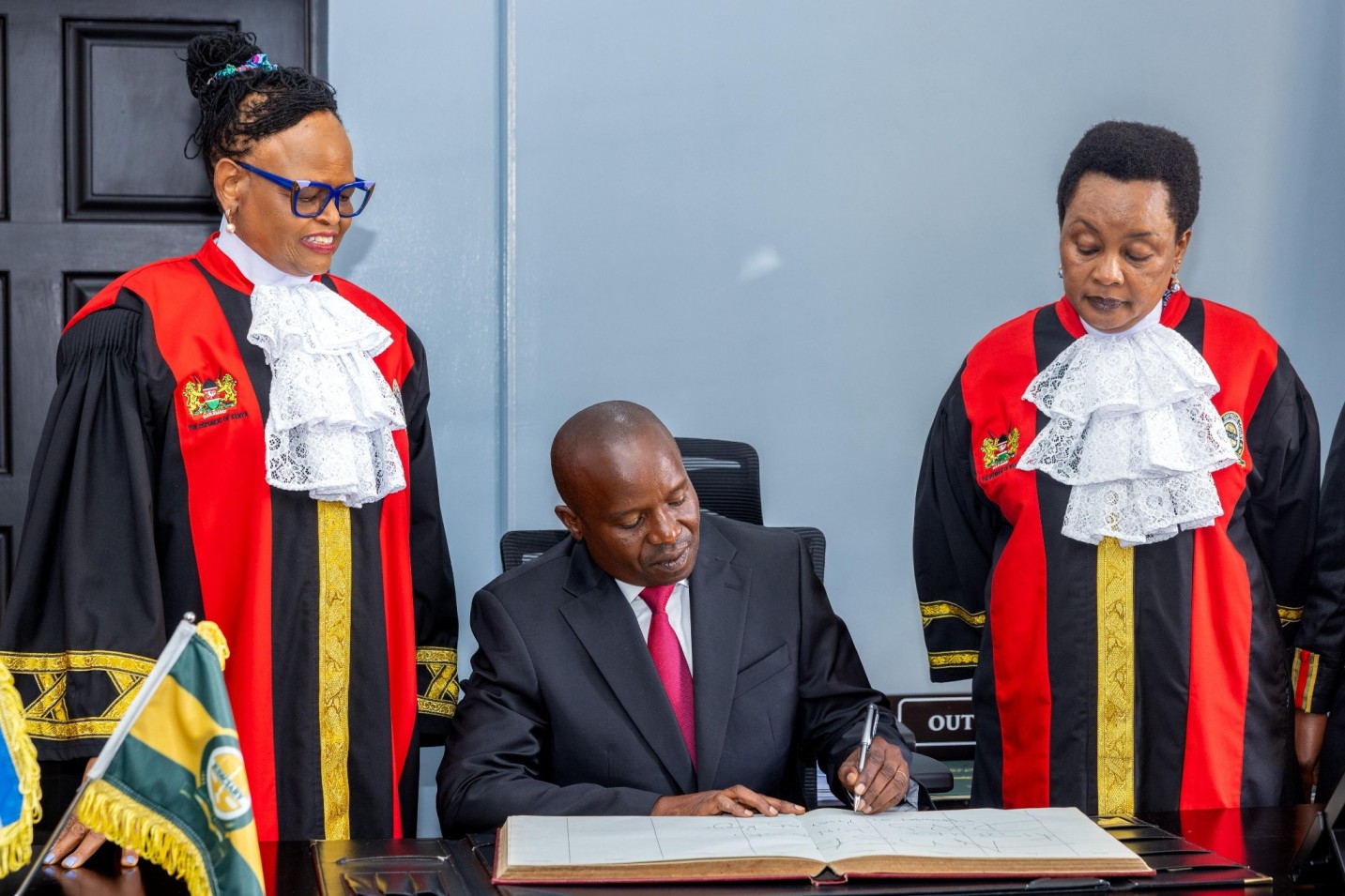
The executive has reaffirmed its firm support for Kenya’s judiciary, highlighting steps taken to strengthen the justice system through new appointments, operational reforms, and the launch of the long-dormant Judiciary Fund. Deputy President Kithure Kindiki said an independent judiciary is essential for democracy, but stressed that its effectiveness depends on constructive collaboration among all arms of government.
Speaking during the launch of the State of the Judiciary Annual Report for FY 2024/25, Kindiki pointed to the administration’s actions to demonstrate its commitment.
“The Executive had declined to swear in six judges before this administration came into office, but President William Ruto, in his inauguration speech, promised to swear them in, which he did the following day,” he said. “From that moment, there has been no doubt that this administration believes, supports and affirms the place and stature of the judiciary in our democracy.”
He outlined three major steps taken by the government to strengthen the judiciary. The first, he said, is the swearing in of the highest number of superior court judges in three years, with 51 appointed to the High Court, Court of Appeal, and Environment and Land Court. Another 40 judges are currently in recruitment, with 45 more expected to join next year.
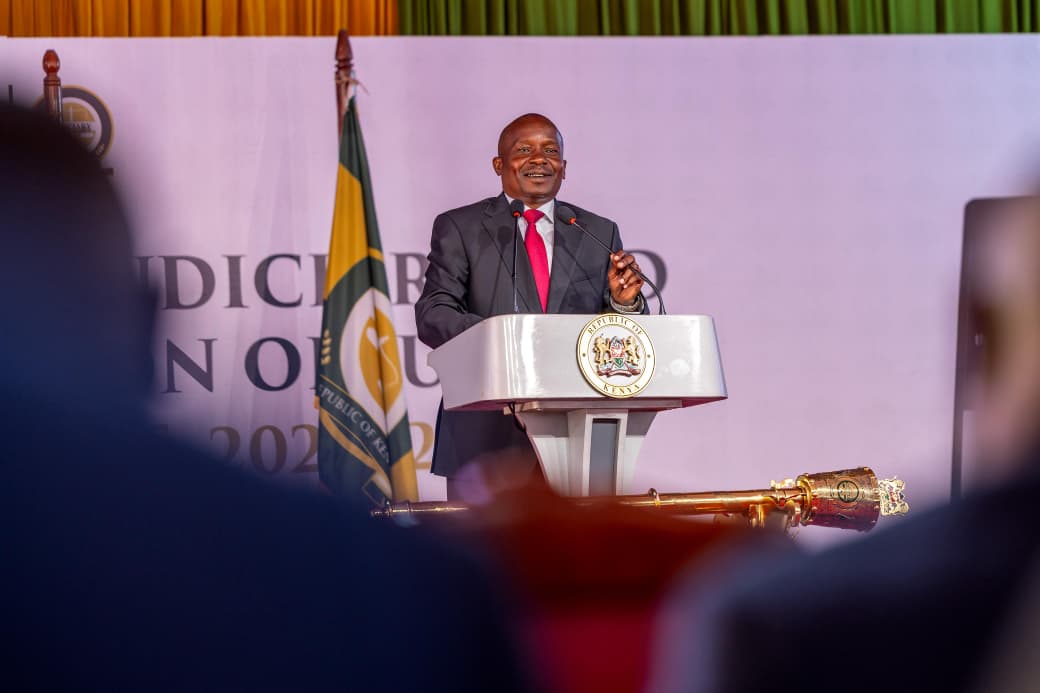 Deputy President Kithure Kindiki during the launch of State of Judiciary Annual Report for FY 2024/25 at Supreme court, Nairobi on November 21,2025.PHOTO/DPCS
Kindiki also noted the Judicial Service Commission has recruited 114 magistrates and is in the process of bringing in another 100, bringing the total to 214 magistrates appointed in just a few years.
He emphasized that the government has operationalized the Judiciary Fund, which had remained inactive for 13 years. This move now allows the judiciary independent access to resources needed to improve service delivery.
The Deputy President also praised the passage of the Judges’ Retirement Law, underscoring its importance in protecting judges after years of public service. “It is wrong for people who have served the country in the esteemed office of the judiciary to retire into poverty, where they cannot even access medical treatment,” he said.
While acknowledging progress in automation, case management, and alternative dispute resolution, Kindiki emphasized the importance of maintaining judicial independence. “Decisional, administrative, operational, and financial independence are key,” he said. “Anything beyond those four legs must work in harmony with other arms of government for democracy to function.”
He further highlighted the need for clarity in interpreting Kenya’s progressive Constitution, pointing out that certain provisions, including Articles 4, 5, 10, and 238, represent entrenched national interests that cannot be altered even by the judiciary. “If the judiciary attempts to vary those norms, it risks confrontation with the people,” he said.
Deputy President Kindiki concluded by urging continued collaboration among the judiciary, executive, and other stakeholders, stressing that such partnerships are essential for a transparent, accountable, and efficient judicial system that serves all Kenyans.































Comments
Sign in with Google to comment, reply, and like comments.
Continue with Google